Courses on studio interview shooting and directing

Three paid courses, each with a defined scope and workload. The material is practical: camera placement, framing checks, lighting for seated conversation, and the documents that keep a studio day calm. This platform is educational only—no production services, equipment rental, talent booking, career placement, or guaranteed outcomes.

What you produce

Every course ends with tangible outputs: a camera plan, a shot list, and short notes about editorial intention. We treat those documents as part of directing, not admin. When they are clear, the set moves with fewer interruptions and the edit has fewer surprises.

Coverage logic, not gear lists

The curriculum stays model-agnostic. We focus on geometry and constraints: camera line, eyelines, shot size relationships, and lighting direction that remains coherent across multiple angles. If your camera settings matter, it is because they affect match across cameras.

Directing communication

Studio directing is often a series of small corrections: posture drift, microphone placement, pace, and when to ask for a pickup. We teach concise callouts and reset language that protects the conversation while still giving the editor what is needed.

The three courses (full outlines)

Each course is paid, self-contained, and intentionally narrow. Prices are shown in euros (EUR) and remain stable—no discounts, countdowns, or bundles. The scope stays with studio interview and discussion formats, where clean coverage and predictable lighting are the unglamorous foundations of a calm edit.

Foundation
€149

Studio Interview Foundation: Camera, Framing, and a Simple Setup
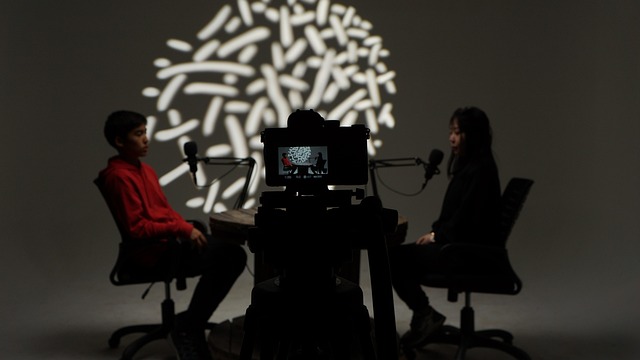
studio video camera close up

Photo subject

Close-up of a professional studio video camera or lens used for interview work.

Stock query: "studio video camera close up"

This course is for learners who want a disciplined baseline for interview coverage. It concentrates on framing checks that hold up across a long conversation: headroom consistency, shoulder line, eyeline placement, and shot size that does not drift when talent shifts posture.

You will also build a simple interview setup that can be repeated. We treat the “simple” version seriously: a camera line you can defend, a wide that is genuinely usable, and lighting that reads cleanly without complicated rigs. The assignments are designed to work with limited equipment, but they still follow real set logic—continuity, matching, and a stable look.

Who it is for

  • Operators and producers who want consistent talking-head framing and fewer “fix it in edit” moments.
  • Editors who want to understand why certain angles cut cleanly and others fight continuity.

What is covered

  • Interview framing checklist: headroom, eyeline, shoulder line, and stable shot size.
  • Camera line discipline: screen direction and when a cut will feel like a jump.
  • Simple lighting for seated interviews: key direction, fill control, and keeping a clean background.
  • Deliverables: a baseline camera plan and a short “edit intention” note for a basic interview.

Format

Self-paced modules + practical assignments

Duration

3 weeks (estimated)
Intermediate
€349

Directing the Studio Conversation: Multi-Camera Coverage and Lighting

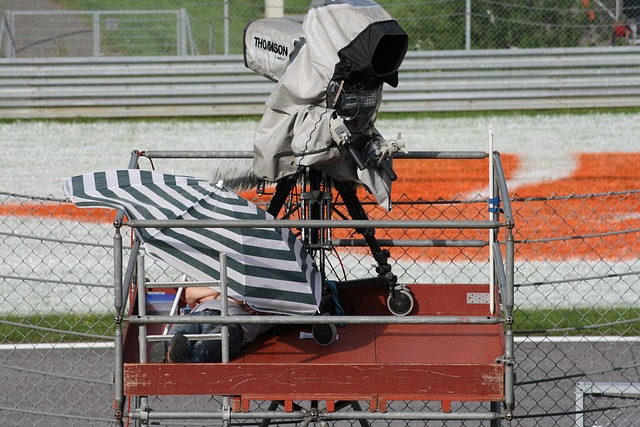
broadcast camera in television studio

Photo subject

Multi-camera interview studio setup with broadcast cameras and an interview desk.

Stock query: "broadcast camera in television studio"

This course is for learners who can already build a basic interview shot, and now need predictable results with multiple cameras. The focus is coverage logic for conversations: how to set a wide as continuity, design complementary singles, and avoid cross-coverage that breaks screen direction.

We also treat lighting as a multi-camera problem. A key that looks good on one angle can collapse on another. You will learn a repeatable approach: establish a stable key direction for the table, decide what “fill” means in your scene, and keep spill and background separation coherent across the camera plan.

Who it is for

  • Teams producing two- or three-person discussions who need reliable singles and a usable wide.
  • Directors and operators who want clearer on-set language for resets, pickups, and pacing.

What is covered

  • Coverage packages for conversations: wide, host single, guest single, and justified cutaways.
  • Camera line and screen direction: maintaining the 180-degree relationship under real studio constraints.
  • Lighting for a table discussion: key height/direction, controlled fill, and managing spill across angles.
  • Directing language: what to say during micro-adjustments without breaking the conversation.

Format

Structured modules + scene breakdowns

Duration

5 weeks (estimated)

Advanced
€599

Full Studio Interview Workflow: Planning, Directing, and Editorial Intention

control-room monitors showing an interview set

Photo subject

Control-room monitors showing an interview set, or an over-the-shoulder view from behind a studio camera.

Stock query: "control-room monitors showing an interview set"

This course is for learners who want to plan and run a full studio interview day with fewer unknowns. The focus is workflow: turning a format into a run-of-show, designing coverage by segment, planning pickups, and writing the kind of notes that make an editor’s job calmer.

We go deeper on shot planning as a method, not a list. You will learn to tie coverage decisions to intent: what the wide is for, when singles carry meaning, and which inserts genuinely earn their place. We also spend time on directing communication: concise language, escalation paths, and how to coordinate changes without creating noise on set.

Who it is for

  • Learners responsible for shaping the day: prep documents, segment planning, and on-set decision flow.
  • Directors who want stronger editorial intention notes and cleaner handoff into post.

What is covered

  • Run-of-show design: beats, transitions, resets, and how to protect time without rushing talent.
  • Segment-by-segment shot planning: open, core discussion, inserts, wrap, and optional pickups.
  • Blocking and continuity for seated talent: posture drift, eyeline consistency, and controlled cut points.
  • On-set communication: callouts, escalation, and when to interrupt versus let the conversation run.
  • Editorial intention notes: predicting where cuts will land and how the coverage supports that.

Format

Deeper practice + planning tasks + communication drills

Duration

8 weeks (estimated)

A calm note on outcomes

These courses teach repeatable methods: camera geometry, coverage logic, and lighting discipline for studio interviews. They are not production services and they do not include job placement, client acquisition, certification for employment, or income claims. Results vary based on crew size, room constraints, and how consistently the methods are practiced.

Choosing a course level: a practical decision tree

Most course selection problems are not about experience in years; they are about which decisions you are responsible for on a studio day. If you are still building consistent head size and eyelines, start with Foundation. If your footage looks fine on each camera but falls apart in the edit, the issue is often coverage relationships—Intermediate is designed for that.

If you already manage multiple cameras and a stable lighting base, the next pain point is usually workflow: run-of-show clarity, pickups, and handoff into post. The Advanced course is built around those unglamorous responsibilities. It is less about “more gear” and more about making the day predictable for everyone involved.

If you are unsure, send a short description of your format (talking-head, two-person interview, or table discussion), your camera count, and the biggest failure mode you see in the edit. We will point you to the most appropriate level and the relevant section to start with.

Courses page photo subject

Over-the-shoulder view from behind a studio camera pointed at an interview desk, showing monitors or framing guides.

Stock query: "over the shoulder behind a studio camera interview set"

over the shoulder behind a studio camera interview set

Ask a course question

Use the form to describe your studio interview format and the decision you are trying to make. Good questions include: how to place a second camera without breaking eyelines, what a minimum multi-camera package should include, or how to write a run-of-show that anticipates resets. We respond with practical guidance and relevant section references. We do not provide production services.

Registered location (Netherlands)

De Koppel 11, 5674 NW Nuenen, Netherlands

What we do with your message

We use the information you submit to reply to your question and to improve course clarity. We do not sell contact data. Typical response time is within 1 business day (Monday to Friday), excluding Dutch public holidays. Details are in the Privacy Policy.

By submitting, you agree to our Privacy Policy.

Prefer email? Write to [email protected].

Educational disclaimer

This website provides educational content about studio video shooting and directing for interview and conversation formats. It does not provide video production services, equipment rental, casting, or professional placement. Any examples are illustrative; outcomes vary depending on crew, space, and constraints.