A small learning project built around studio realities

FERI Beheer B.V. runs an independent educational platform for interview and discussion formats: how to plan coverage, place cameras, build stable lighting, and direct calmly so the edit has options. This is educational only. We do not offer production services, equipment rental, casting, or career placement.

Established 2021 Registered in the Netherlands
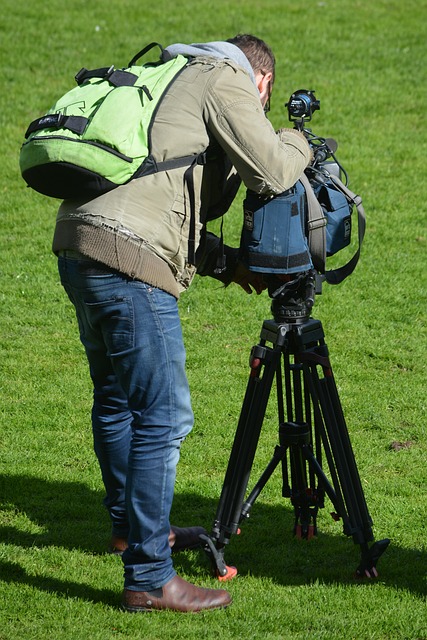
camera operator filming interview desk

About page photo subject

Over-the-shoulder view from behind a studio camera, framing an interview or discussion desk.

Stock query

"camera operator filming interview desk"

Why the platform started

The project started in 2021 after a string of internal studio shoots where the footage looked fine on a monitor but fell apart in the edit. The pattern was familiar: a wide that did not truly match the singles, eyelines that drifted because the camera line was improvised, and lighting that changed character from one angle to the next. None of that is dramatic on set, but it creates hours of patching later.

We built the first lessons as checklists and short “set math” exercises: define the baseline coverage package, lock a head-size rule, place cameras to preserve screen direction, then light for the most demanding angle first and make the other cameras conform. The work was unglamorous and methodical, which is exactly why it helped. That approach became the backbone of the courses.

Today the platform remains intentionally narrow. It teaches studio interview and table discussion formats only. We do not sell production services, and we do not position the material as a shortcut to employment. The curriculum is about making set decisions that survive contact with a timeline.

Coverage-first thinking

Lessons start from what an editor can cut. We use simple coverage packages and explain why certain angle offsets, shot sizes, and screen direction choices reduce the need for cutaways and pickups.

Lighting that holds across angles

We treat lighting as continuity. The goal is stable key direction, controlled fill, and spill management so the wide and singles feel like one scene rather than three competing looks.

Directing language and resets

A calm set is often just clear communication. We teach short callouts, handoffs, and reset routines so small corrections do not interrupt performance or pace.

Mission and teaching principles

The mission is straightforward: make studio interview directing teachable as a sequence of decisions, not a collection of opinions. We focus on camera placement and framing discipline, lighting fundamentals for faces at a desk, and the planning documents that stop a set from improvising itself into a corner.

The courses use repeated formats on purpose. If you can plan a two-person interview with consistent singles, you can extend it to a three-person discussion by preserving the same screen direction logic and coverage rhythm. We use “coverage math” rules you can apply quickly: shot size consistency, lensing for perspective, and when to break the 180-degree rule (rarely, and with a reason).

Learners are asked to produce tangible outputs: a run-of-show, a camera plan, a shot list with “must-have” notes, and short editorial intention notes that anticipate where cuts should land. The platform does not promise outcomes. It provides a structured way to practice.

Run-of-show first Camera line discipline Editorial intention notes

What we do not do

This is a learning platform. We do not provide video production services, equipment rental, studio hire, talent booking, or client referrals. We also do not offer career placement, guarantees of paid work, or outcome-based promises.

When a lesson discusses equipment, it is to explain a decision in context (for example, why matching white balance and exposure across cameras matters). We avoid brand-specific menus and gear shopping lists. The emphasis is the workflow: what to check, what to lock, and what to communicate.

A small rule we repeat

If a shot is not cuttable, it is not a shot. It might still be a nice image, but in an interview format the edit is the real deliverable.

The team

The platform is maintained by a small Netherlands-based team. Roles mirror how a real studio day is organised: camera, lighting, directing, and the editorial viewpoint that decides what footage is actually usable. Names are listed as first name and initial to keep the focus on the work.

Willem J. — Studio Director (multi-camera directing)

Willem has spent 12+ years running conversation formats where pace matters more than spectacle. He focuses on camera line decisions, when to go to the wide as a safety, and how to call subtle adjustments without breaking a guest’s train of thought. He is known internally for one-page director notes that the whole crew can read in under a minute. Outside the studio, he keeps a small archive of “bad cuts” to teach what not to do.

Specialty: coverage packages for interviews and table discussions; reset language for pickups.

Sanne D. — Camera Instructor (framing, lenses, exposure)

Sanne teaches framing discipline and the small checks that keep interviews consistent: headroom, shoulder line, and the difference between “tight” and “too tight” when a guest leans forward. She has 9 years of camera-side experience across corporate studios and small broadcast sets. Her modules are deliberately repetitive, because that is how shot size becomes a habit rather than a debate. She also covers practical matching across cameras: white balance, contrast, and exposure baselines.

Specialty: shot size rules, eyeline stability, camera placement for screen direction.

Sander V. — Lighting Tutor (key/fill ratios, spill control)

Sander has worked 10+ years with compact studio grids and improvised interview corners where spill and background separation are constant problems. He teaches lighting as continuity: start with a consistent key direction, decide the fill strategy, then check every camera position before calling it done. He is known for methodical “angle-by-angle” lighting checks that prevent surprises when switching. His lessons avoid gear shopping and focus on placement, flags, and repeatable ratios.

Specialty: lighting a desk from multiple camera positions; maintaining a stable look across cuts.

Lotte R. — Curriculum Editor (structure, assignments, templates)

Lotte turns on-set decision-making into assignments that can be practiced at home or in a small studio. She has 8 years in post-production and editorial coordination, and she is the person who keeps asking, “Can this be cut cleanly?” Her work focuses on run-of-show templates, shot lists with clear priorities, and feedback checklists that help learners diagnose problems without guessing. She maintains the course examples so they reflect realistic constraints and not idealised studio diagrams.

Specialty: learning design for technical skills; translating set workflows into practical tasks.

Rik P. — Technical Workflow Lead (sound checks, sync, handoff)

Rik focuses on the parts that quietly ruin interview footage: inconsistent timecode, mismatched frame rates, missing slate notes, and unclear handoff to the edit. He has 11 years of experience bridging set and post, and his modules cover pre-flight checks and simple fault isolation. He is known for calm troubleshooting steps that avoid the “turn everything off and hope” approach. The goal is not to overcomplicate, but to keep the workflow predictable.

Specialty: multi-camera consistency checks; clean ingest and edit handoff notes.

Naomi K. — Learner Support (course questions, guidance)

Naomi answers learner questions with references to specific modules and templates, not generic encouragement. She has 6 years coordinating studio training sessions and is good at translating a messy real-world setup into a simple next step: “lock the wide,” “re-check eyelines,” or “simplify the shot list.” She also maintains the FAQ and keeps the wording of assignments precise so learners know what “done” looks like. Typical replies arrive within 1 business day on weekdays.

Specialty: mapping learner scenarios to the right course level and exercises.

Contact details

Use this page if you want to ask a practical question before choosing a course level. If you describe your format (talking-head, two-person interview, or table discussion) and your camera count, we can point you to the most relevant modules. We do not provide production services.

Registered location (Netherlands)

De Koppel 11, 5674 NW Nuenen, Netherlands

Scope reminder

Messages are used to answer course questions and improve course clarity. We do not accept requests for studio hire, equipment rental, crew booking, or production work. If you want a course recommendation, include your camera count, lens range, and the format length you typically record.

By submitting, you agree to our Privacy Policy.

Prefer email? Write to [email protected].

Want the full course outlines?

The Courses page lists all three programmes in full: who each is for, what is covered, format, duration, and price. If you are not sure where to start, send your studio format and camera count and we will suggest the most relevant level.