Practical studio interview directing—camera, lighting, and on-set communication.

Learn to direct and shoot studio interviews with methodical coverage and clean editorial intent

This platform teaches the unglamorous part of studio work: shot planning, camera placement, lighting for faces at a table, and the communication that keeps an interview moving. It is educational only—no production services, equipment rental, talent booking, or career placement.

Established 2021 Interview + panel formats only Privacy-first learning site
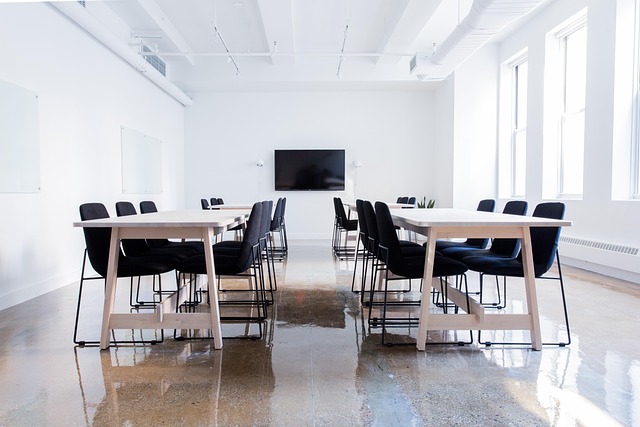
interview studio multi camera setup

Hero photo subject

Professionally lit interview studio with cameras in the foreground and guests at a discussion desk.

Stock query

"interview studio multi camera setup"

Founded
2021
Small, independent, studio-focused curriculum.
Coverage mindset
3 angles
Wide + two singles as a baseline for interviews.
Lighting scope
Key / fill
Practical ratios and spill control, not gear lists.
Learner output
Shot lists
Run-of-show, callouts, and edit notes as deliverables.

What this platform teaches (and what it does not)

Studio interviews look calm on screen because somebody made a hundred small decisions before the first question was asked. The camera line, the lens choices, where the wide shot lives, how tight the singles should be, and where the eye-line lands are not “creative vibes”—they are constraints that decide whether an editor can cut cleanly without visible jumps.

Our material stays close to interview and conversation formats: talking-head, two-person interview, and table discussion. You will work through blocking for seated talent, basic three-point principles adapted to a studio grid, and multi-camera coverage that respects the 180-degree rule and match-cut logic. We also spend time on the practical language of a set: callouts, hand signals, and how a director communicates changes without derailing pace.

This is an educational project only. We do not provide video production services, studio hire, equipment rental, casting, or any form of client acquisition. We also do not promise paid work, certification for employment, or guaranteed outcomes. The goal is competence: you should be able to plan a studio setup, run it safely, and deliver footage an editor can build with.

A tight scope by design

We avoid drifting into feature filmmaking, influencer strategy, or social growth. Studio work rewards repeatable setups: consistent eyelines, controlled contrast, clean backgrounds, and predictable coverage. The assignments are built to reflect those constraints—small changes in framing, angle offsets, and key placement, with notes about what that does in the edit.

  • Interview geometry: camera line, screen direction, and when to break it.
  • Coverage planning for an editor: wide, singles, and controlled cutaways.
  • Lighting decisions: key direction, fill control, and spill management.

Who benefits most

The courses assume you can already operate a camera at a basic level, or you are willing to do controlled practice with a simple setup. The focus is not gear ownership. You can work with a single camera for the foundation modules, then apply the same shot logic to multi-camera environments.

  • Hosts and producers who want cleaner coverage and fewer reshoots.
  • Camera operators moving into studio directing decisions.
  • Editors who want to understand why certain angles “cut” better.

What you will practice inside the courses

Each course is structured around concrete studio decisions. You will build a shot list, mark a camera plan, and write short “director notes” aimed at consistency in the edit. The work is practical and repeatable: small setups, clear constraints, and deliberate iteration.

Core skill

Coverage that edits cleanly

You will plan a baseline coverage package: a wide that can hold continuity, two complementary singles that preserve eyelines, and optional cutaways that are justified. The emphasis is on avoiding “pretty but unusable” shots—angles that fight screen direction or shift size unpredictably across answers.

We treat the edit as a constraint: match action, matching head size, and the moments where you can safely cut without calling attention to the cut. You will write a short edit intention note alongside your shot list.

Framing and headroom discipline

Micro-adjustments matter in interviews. We cover practical framing checks: headroom consistency, shoulder line, and when to choose a two-shot versus singles. You will learn to keep framing stable while talent shifts posture.

Lighting for conversation

We focus on direction, ratio, and spill. You will practice placing a key that flatters without drifting into “beauty lighting,” controlling fill, and keeping background separation stable across multiple cameras.

Pre-production documents that hold up on set

You will build a run-of-show, a concise shot list, and a camera plan that can be read quickly. We include examples of callouts and resets so the crew can move without unnecessary chatter.

Directing guests and hosts

You will practice the language of small corrections: posture, eyeline, mic awareness, and pace—without making talent self-conscious. Clear, short instructions are part of the craft.

How the learning is structured

We teach studio decision-making as a sequence: plan the coverage, place the cameras, build the light, rehearse the blocking, then run the interview with a clean handoff into the edit. You will see the same setup from different perspectives—camera-side and director-side—so the reasoning is not hidden.

The assignments are designed to be done with limited resources. If you do not have a full studio, you can still practice the core: a consistent wide, stable singles, controlled eyelines, and a written run-of-show that anticipates transitions and resets.

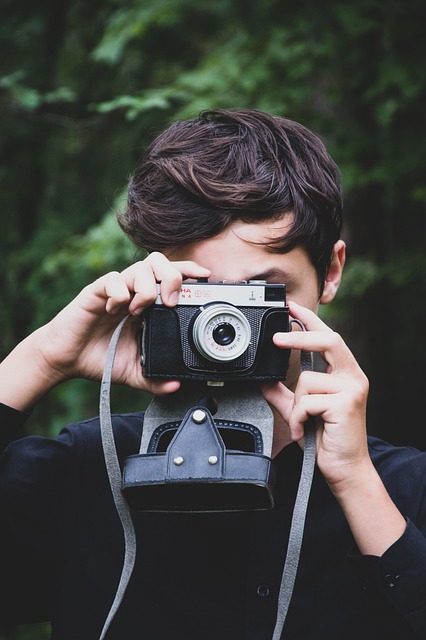
How Learning Works photo subject

A shot list beside a professional studio camera, with an interview desk visible in the background.

Stock query: "shot list next to a studio camera"

shot list next to a studio camera
  1. 01

    Pre-plan: run-of-show and shot list

    You will outline the interview beats, the expected transitions, and the minimum coverage required to cut each segment. The shot list is written for a real set: short names, clear framing descriptions, and notes about when a shot is “must-have” versus “nice-to-have.”

  2. 02

    Build: camera line, lenses, and coverage logic

    You will place cameras in relation to eyelines and table geometry. We explain why certain offsets preserve screen direction, and how to set shot sizes so edits do not feel like accidental zooms. The aim is consistent singles and a wide that can carry continuity.

  3. 03

    Light: stable key direction and controlled fill

    You will practice lighting choices that stay stable across multiple cameras. We cover key height and direction, fill strategies that avoid flattening, and practical ways to reduce spill. The goal is a repeatable look, not a gear showcase.

  4. 04

    Run: on-set communication and editorial intention

    You will practice concise callouts for hosts and crew, learn when to interrupt versus let the conversation breathe, and capture safety coverage for pickups. Each assignment ends with a short editorial note: where you expect cuts to land, and why.

Three courses, three levels of studio responsibility

The courses are paid and self-contained. Prices are shown in euros (EUR) and remain stable—no discounts, countdowns, or forced bundles. Each course includes structured modules and practical assignments focused on interview and conversation-based studio formats.

Foundation

Studio Interview Foundation: Camera, Framing, and a Simple Setup
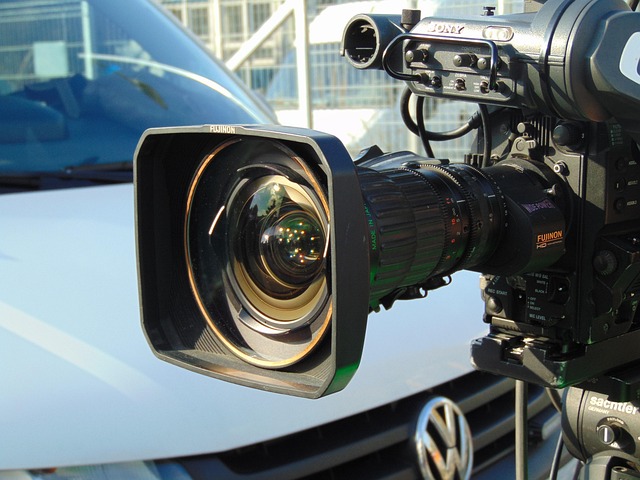
studio video camera close up

Photo subject: close-up of a professional studio video camera or lens. Stock query: "studio video camera close up"

For learners who want to get their interview coverage under control. We focus on shot sizes, headroom, eyelines, and the baseline setup that makes editing straightforward.

  • Talking-head framing checks and consistent shot size.
  • A simple interview layout and camera-line discipline.
  • Basic key/fill lighting principles for a seated subject.

Format

Self-paced modules + practical assignments

Duration

3 weeks (estimated)

Price

€149
Full details
Intermediate

Directing the Studio Conversation: Multi-Camera Coverage and Lighting

broadcast camera in television studio

Photo subject: multi-camera interview studio setup with broadcast cameras. Stock query: "broadcast camera in television studio"

For learners who already know the basics and want reliable multi-camera results. We focus on coverage packages for two- and three-person conversations, directing hosts and guests, and lighting decisions that hold across angles.

  • Multi-camera camera-line and cross-coverage that stays consistent.
  • Lighting for a table discussion: key placement, fill strategy, spill control.
  • Directing language: resets, pickups, and pace without over-directing.

Format

Structured modules + scene breakdowns

Duration

5 weeks (estimated)

Price

€349

Full details
Advanced

Full Studio Interview Workflow: Planning, Directing, and Editorial Intention

control-room monitors showing an interview set

Photo subject: control-room monitors showing an interview set, or an over-the-shoulder view from behind a studio camera. Stock query: "control-room monitors showing an interview set"

For learners who want to run a complete studio interview day from prep through usable footage and clear edit notes. We go deeper on run-of-show design, shot planning across segments, blocking, and the small communications that keep the set calm.

  • Segment-by-segment shot planning: open, core discussion, inserts, wrap.
  • Blocking and continuity for seated talent across pickups and resets.
  • Editorial intention notes: where you expect cuts, and why they work.

Format

Deeper practice + planning tasks + communication drills

Duration

8 weeks (estimated)

Price

€599

Full details

Note on scope: the courses teach planning and directing skills for studio interviews and conversation-based formats. They do not include production services, equipment rental, casting, or any guarantee of professional outcomes.

Practical examples from real studio constraints

Below are short case-style examples. They are not promises of results, and they are not tied to any external review platform. They exist to show the type of decision-making the assignments train: coverage logic, lighting stability, and communication.

Case example: cutting a two-person interview without “size jumps”

Problem: a two-camera setup produced singles that felt inconsistent; the editor reported that cuts between answers looked like accidental zooms. Approach: re-defined shot sizes using a consistent head-size rule, then moved the cameras to preserve eyelines while keeping a clean 180-degree relationship. Outcome: the edit used fewer cutaways, and the wide shot became a reliable safety—especially for moments with overlapping dialogue.

Attribution: Lotte R., curriculum editor, Eindhoven (internal workshop notes).

Case example: lighting a table discussion across three cameras

Problem: a panel setup looked acceptable on the wide but inconsistent on singles; shadows shifted and background spill changed with each angle. Approach: established a consistent key direction for the table, reduced fill to keep shape, then added controlled background separation that remained visible from all camera positions. Outcome: the footage matched better across angles and required less corrective grading.

Attribution: Sander V., lighting tutor, Brabant region (training session notes).

“The module on eyelines solved a problem I kept blaming on lenses. Once I placed the cameras with the conversation geometry in mind, the singles matched naturally and the wide became a real safety shot.”

Mila K., post-production assistant, Utrecht

“The run-of-show templates are refreshingly strict. Writing callouts and resets ahead of time made the set quieter. It also reduced the number of ‘what are we doing next’ moments.”

Jeroen B., producer, Rotterdam

“I liked that the assignments ask for an editorial intention note. It forces you to justify coverage. When I started doing that, my pickups became smaller and more targeted.”

Nora S., editor, Amsterdam

Prefer to read the course outlines first?

The Courses page lists all three programmes in full: who each is for, what is covered, format, duration, and price. If you have a specific studio scenario in mind, send it through the contact form and we will point you to the most relevant level.

Contact the learning team

Use the form for course questions: which level fits your current setup, what a multi-camera package should include, or how to translate your interview format into a run-of-show. We respond with practical guidance and page references. We do not provide production services.

Registered location (Netherlands)

De Koppel 11, 5674 NW Nuenen, Netherlands

What we do with your message

We use the details you provide to respond to your question and improve course clarity. We do not sell contact data. Typical response time is within 1 business day (Monday to Friday), excluding Dutch public holidays.

By submitting, you agree to our Privacy Policy.

Prefer email? Write to [email protected].

FAQ

Questions we receive from learners who are building interview and conversation coverage in a controlled studio environment.

Educational disclaimer

This website provides educational content about studio video shooting and directing for interview and conversation formats. It does not provide video production services, equipment rental, casting, or professional placement. Any examples are illustrative; outcomes vary depending on crew, space, and constraints.